The Latest Advances in Root Canal Procedures

January 27, 2017

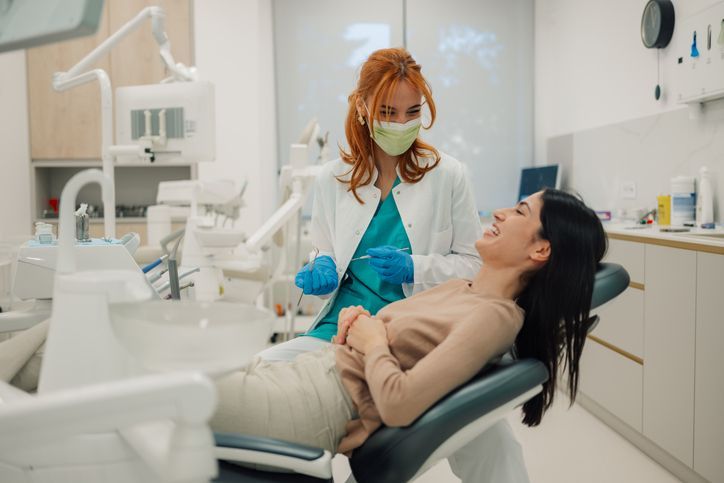
If your dentist has told you that you need to have a root canal, you may be concerned. Decades ago, root canals were not performed with the kind of high-tech equipment that is used today, and the procedure could be very long and involved.

Today, getting a root canal is a completely different experience. Advanced techniques and equipment have helped dentists deliver a restorative dentistry experience that’s much like getting a cavity filled. You’re comfortable the whole time, because modern root canals are nearly pain free.

Advanced Equipment and Medicine at a Pittsburgh Dental Practice

• Anesthesia used during root canals has been completely modernized. It’s now a simple process to numb the entire tooth and nerves during a root canal so that the patient doesn’t feel a thing.
• Motor hand pieces allow your dentist to perform a root canal with complete accuracy, making for a faster procedure and an outcome that lasts for decades.
• Ultrasonic instruments assist with canal irrigation and cleaning, an improvement to conventional shaping and filling methods used in the past.
• Nickel titanium files used to clean root canals of infection are more flexible—and remove more infected areas—than the stainless steel files used before.
• Surgical microscopes are used to see if the infection in your tiny roots has been completely cleared out during the procedure.
• Digital X-rays allow dentists to see the tooth and roots with amazingly accuracy. Unlike traditional X-rays, digital X-rays produce less radiation, and there’s no delay in their development time, so your procedure goes more quickly.
• Apex locators use sound waves to determine where the end of the root is so that every part can be cleaned and then filled completely.
• Gutta Percha is used to fill and seal the canals after they are cleaned. It’s antibacterial and non-allergenic and reduces the likelihood of irritation after restorative dentistry.

After your root canal is completed, you may feel some irritation for up to two days afterwards. Be sure to eat soft foods and take the OTC medication that your dentist suggests.

All of these materials and the equipment used in modern dentistry offer a much more pleasant experience during the procedure, and the advanced filling will ensure that the root canal lasts for many years. If you think that you may need a root canal, call Pittsburgh Dental Practice Severns Dentistry and Orthodontics today.

A woman in a white shirt is smiling for the camera.

Author: Natalie Severns, DMD


Upon graduating from the University of Pittsburgh School of Dental Medicine, Dr. Severns specialized in Orthodontics and Dentofacial Orthopedics at the University of Pittsburgh School of Dental Medicine. She then did an externship in London, England, at the prestigious Guy’s Hospital. At this hospital, she learned top therapies in Dentofacial Orthopedics to provide her patients with the best possible facial esthetics.

Blog

September 11, 2026
Use this back-to-school dental checklist to help your child stay on track with checkups, brushing, lunches, sealants, and sports protection.
August 26, 2026
Compare Invisalign vs. traditional braces for adults, including appearance, eating, oral hygiene, work, travel, and lifestyle considerations.
July 10, 2026
Crooked teeth can affect your bite, oral hygiene, and long-term dental health. Learn when orthodontic treatment may help protect your smile.
June 24, 2026
Summer travel can disrupt your oral health routine. Learn simple vacation dental care tips to protect your smile all season long.
May 18, 2026
Learn how bite alignment may contribute to jaw pain, headaches, and tension, and when to schedule an orthodontic evaluation at Severns Dentistry.
March 9, 2026
Not all dental issues cause pain at first. Learn early warning signs and when to book a preventive dental exam in McMurray.
Winter Dry Mouth Solutions for McMurray Residents
February 14, 2026
Dry winter air can lead to dry mouth and increased cavity risk. Learn simple solutions and when to see your Family Dentist in McMurray.
By Rocket Websitez February 2, 2026
With winter in full swing in McMurray and across the South Hills, many people are noticing an unpleasant seasonal change: their teeth feel more sensitive than usual. A rush of cold air, a sip of hot coffee, or even normal breathing outdoors can trigger brief discomfort that wasn’t there during warmer months. Winter tooth sensitivity is common and typically does not signal a serious problem. Understanding why it happens can be reassuring—and can help you recognize when it’s worth mentioning at your next dental visit. Why Teeth Feel More Sensiti ve in Winter Cold weather introduces several challenges that your teeth don’t encounter during other seasons. Sudden temperature changes, dry air, and certain seasonal habits can all exacerbate existing sensitivity. Teeth are not completely solid structures. Beneath the outer enamel is a layer called dentin, which connects to tiny pathways leading toward the inner part of the tooth. When these pathways are exposed or irritated, changes in temperature, especially cold, can be felt more easily. During winter, teeth are exposed to colder air more often, whether you’re walking outside, breathing through your mouth, or moving between heated indoor spaces and freezing outdoor temperatures. These repeated exposures can make even mild sensitivity more noticeable. How Cold Weather Affects Your Teeth Cold air doesn't damage teeth, but it can reveal underlying sensitivities that you already have. When cold temperatures come into contact with teeth, they can cause a slight contraction of the tooth structure. While this movement is minimal, it can still affect areas where enamel has thinned over time. Winter also tends to bring drier air, both outside and indoors, due to the operation of heating systems. Dry air can cause dry mouth, which may reduce the natural protective role of saliva. Saliva helps neutralize acids and wash away particles that can irritate teeth. When saliva levels decrease, teeth may become more sensitive to temperature changes. For individuals with mild sensitivity, these seasonal factors can intensify discomfort, making it feel more frequent or noticeable. The Role of Enamel in Winter Sensitivity Enamel is the protective layer on the outside of your teeth. Its job is to shield the more sensitive inner layers from temperature changes, pressure, and everyday wear. Over time, enamel can thin naturally due to normal use, dietary habits, or grinding and clenching. In winter, thinner enamel doesn’t insulate teeth as effectively against cold air or hot beverages, making them more sensitive. Seasonal sensitivity often brings awareness to enamel health, which is why winter can be a useful time to check in with your dentist, especially if your sensitivity is new or increasing. Why Hot Drinks Can Trigger Discomfort Hot drinks are a winter staple, especially in colder parts of Pennsylvania. Coffee, tea, and soup offer comfort when temperatures drop, but they can also trigger tooth sensitivity for some people. The issue isn’t the drinks themselves, but the contrast between cold air and sudden warmth. Moving quickly from freezing outdoor temperatures to a hot beverage can create a sharp temperature change that sensitive teeth react to. In addition, sipping hot drinks slowly over time means teeth are repeatedly exposed to heat, which can make sensitivity more noticeable during the colder months. Other Winter Habits That May Contribute to Tooth Sensitivity Winter routines can unintentionally impact how your teeth feel day-to-day. Some common seasonal habits include: Mouth breathing in cold air, especially during outdoor activities Clenching or grinding, which can increase during times of stress or disrupted sleep Changes in hydration, as people often drink less water in winter Increased consumption of warm, acidic beverages, such as coffee or citrus-based teas Individually, these habits may seem minor, but when combined, they can make teeth feel more sensitive during the winter season. When Sensitivity Becomes Noticeable Seasonal tooth sensitivity is usually brief and mild, often described as a quick twinge rather than ongoing pain. It may come and go, depending on factors such as weather, diet, or daily routines. However, sensitivity that lingers, worsens, or appears suddenly should be discussed at your next dental appointment. Winter often prompts people to notice changes that may have been easy to overlook during warmer months. How a Dentist Can Help Monitor Sensitivity A routine dental visit is the best way to monitor changes in tooth sensitivity, especially during the winter months. A dentist can identify common contributors, such as enamel wear, gum changes, or signs of grinding, without jumping to conclusions or making assumptions. For families in McMurray and the South Hills, regular dental checkups provide reassurance and continuity of care throughout the year, even during seasonal changes. Even when sensitivity is mild, discussing it with a dentist in McMurray, PA, helps ensure your teeth are staying healthy year-round. Winter sensitivity doesn’t have to disrupt your daily routine. In most cases, it’s simply your body responding to seasonal changes—and a reminder that your oral health deserves attention in every season. A Seasonal Reminder for Your Smile Cold weather can be tough on more than just the skin and joints—it can also affect how your teeth feel. Understanding why winter sensitivity happens can make it easier to manage and less concerning. If you notice changes in how your teeth respond to cold air or warm drinks, a routine dental visit can offer clarity and peace of mind. Staying proactive during winter helps keep your smile comfortable well beyond the cold months.  Make an appointment at Severns Dentistry & Orthodontics today!
Year-End Dental Benefits: What Local Families Should Know
December 18, 2025
Make the most of your year-end dental care with Severns Dentistry. Learn why scheduling checkups, cleanings, and dental planning now can benefit your family’s oral health before the new year.
How Stress Affects Your Teeth & End-of-Year Habits For a Healthier Smile
By Rocket Websitez November 21, 2025
Discover how holiday stress can impact your teeth and learn simple habits to protect your smile this season. Friendly guidance from Severns Dentistry & Orthodontics.