Can Crooked Teeth Affect Your Long-Term Dental Health?

Many people think of crooked teeth as mainly a cosmetic concern. While appearance is often one reason people consider orthodontic treatment in McMurray, tooth alignment can also play an important role in long-term oral health.
Every smile is different. Some people have minor crowding that does not cause major issues, while others may have alignment or bite concerns that make it harder to clean their teeth, place extra pressure on certain areas, or contribute to future dental problems. Understanding the connection between orthodontics and oral health can help you make informed decisions for yourself or your child.
At Severns Dentistry & Orthodontics, we are a family dentist that works with children, teens, and adults throughout McMurray and the South Hills to evaluate alignment concerns and recommend treatment options based on each patient's needs.
What Causes Teeth to Become Crooked?
Crooked teeth can develop for many reasons. In some cases, tooth alignment is influenced by genetics. If parents had crowding, spacing, or bite concerns, their children may be more likely to experience similar issues.
Jaw development can also affect how teeth come in. When the jaw does not have enough room for all the teeth to fit comfortably, crowding may occur. Habits during childhood, such as thumb sucking, prolonged pacifier use, or tongue thrusting, can sometimes influence how the teeth and jaws develop.
The timing of baby tooth loss may also play a role. If baby teeth are lost too early, nearby teeth can shift into the open space before permanent teeth are ready to come in. If baby teeth stay in place too long, they may interfere with the path of incoming adult teeth. Impacted teeth, crowding, and natural growth patterns can also contribute to alignment concerns.
To learn more about why alignment problems develop, visit our guide on the common causes of crooked teeth.
Why Crooked Teeth Can Be More Difficult to Clean
One of the main oral health concerns associated with crooked teeth is difficulty cleaning. When teeth overlap or sit too close together, it can be harder for a toothbrush to reach every surface. Flossing may also become more challenging when teeth are crowded or rotated.
These tight or uneven spaces can allow plaque to build up more easily. Plaque is a sticky film of bacteria that forms on teeth throughout the day. When it is not removed well, it can contribute to cavities, gum irritation, and bad breath.
This does not mean that everyone with crooked teeth will develop cavities. Many people maintain good oral health with careful brushing, flossing, and routine dental visits. However, alignment issues can make daily hygiene more difficult, increasing the risk of problems over time.
The Relationship Between Bite Alignment and Tooth Wear
Tooth alignment is not only about how teeth look from the front. The way the upper and lower teeth come together is also important. This is known as the bite.
When the bite is not balanced, certain teeth may absorb more pressure than others. Over time, uneven pressure can contribute to excessive wear, small chips, or minor fractures. Some patients may also notice that specific teeth feel sensitive or worn down faster than others.
Not every alignment concern causes tooth wear. Some people have mild crowding without significant bite problems. However, certain bite issues can place extra stress on individual teeth or areas of the mouth. An orthodontic evaluation can help determine whether the bite is functioning properly or whether treatment may be helpful.
How Crooked Teeth May Affect Gum Health
Gum health is closely connected to oral hygiene. When crooked or crowded teeth trap plaque, the surrounding gums may become irritated, leading to redness, swelling, or bleeding when brushing or flossing.
Over time, ongoing plaque buildup can contribute to more serious gum concerns. Healthy gums help support the teeth, so keeping them clean is an important part of long-term dental health. Routine dental cleanings, good home care, and early attention to gum irritation can all make a difference.
Orthodontic treatment may help by improving spacing and alignment, making teeth easier to clean. However, orthodontics does not replace regular dental care. Patients still need consistent brushing, flossing, and professional cleanings to maintain healthy teeth and gums.
Can Crooked Teeth Affect Overall Health?
Oral health is one part of overall wellness. When teeth are difficult to clean, dental problems may become harder to manage over time. Cavities, gum irritation, and discomfort can affect how a person eats, speaks, and feels about their smile.
Crooked teeth may also influence chewing efficiency. When the teeth do not meet properly, some patients may have trouble biting or chewing evenly, placing a strain on certain teeth and making eating less comfortable.
Confidence and quality of life are also worth considering. While crooked teeth are not only a cosmetic issue, feeling self-conscious about your smile can affect how often you smile, speak, or interact with others. For adults and teens, orthodontic treatment may support both oral function and personal confidence.
For more information, read about the connection between orthodontics and overall health.
When Should You Consider Orthodontic Treatment?
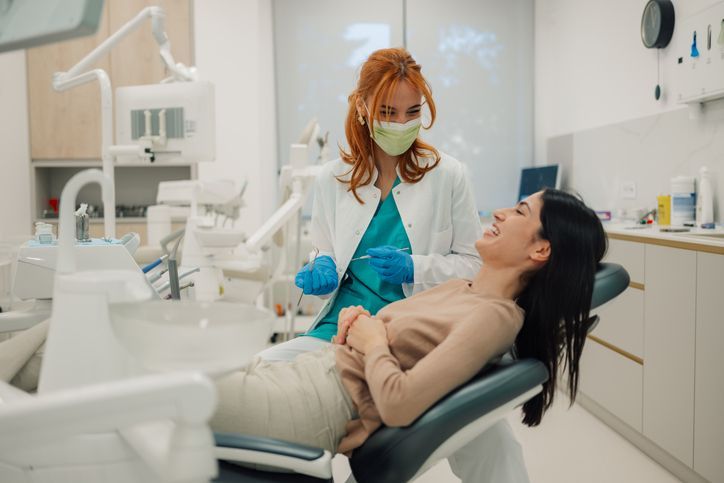
An orthodontic evaluation may be helpful if you or your child has visible crowding, gaps between teeth, bite concerns, or difficulty cleaning between certain teeth. You may also want to schedule a consultation if you notice teeth shifting over time.
Adults sometimes delay treatment because they believe orthodontics is only for children or teens. In reality, many adults seek orthodontic care to improve alignment, make cleaning easier, or address bite concerns. As long as the teeth and gums are healthy enough for treatment, adults may have options.
Parents may also benefit from having their child evaluated if they notice crowding, early or late loss of baby teeth, or changes in bite alignment. An evaluation does not always mean treatment needs to begin right away. Sometimes, monitoring growth and development is the best next step.
Because every case is different, it is important not to self-diagnose. An orthodontist can examine the teeth, jaws, and bite to explain what is happening and whether treatment is recommended.
Modern Orthodontic Treatment Options
Today's orthodontic treatment options can address a wide range of alignment concerns. At Severns Dentistry & Orthodontics, patients can receive guidance on which option may fit their needs, goals, and lifestyle.
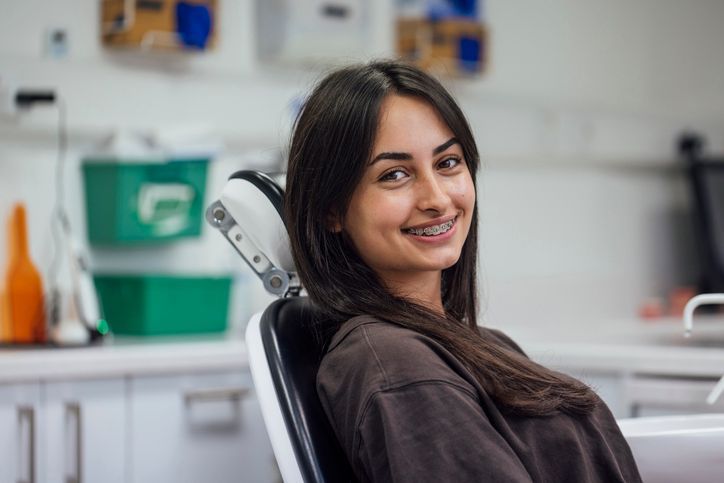
Traditional braces remain an effective treatment for many types of crowding, spacing, and bite concerns. Braces use brackets and wires to move teeth into better positions gradually. They may be recommended for children, teens, or adults, depending on the case's complexity.
Invisalign® clear aligners are another option for many teens and adults. These aligners are nearly invisible and removable, which can make eating, brushing, and flossing more convenient. Patients wear a series of custom aligners that gradually shift the teeth over time.
The right choice depends on several factors, including the type of alignment issue, treatment goals, age, oral health, and patient preference. An orthodontic consultation can help determine which approach is appropriate.
The Benefits of Early Evaluation
Early orthodontic evaluation can be helpful for families because it allows a dentist or orthodontist to monitor how a child's teeth and jaws develop. Some concerns are easier to manage when they are identified early.
An early visit does not always lead to immediate treatment. In many cases, the orthodontist may recommend observation and follow-up visits. However, when treatment is needed, early planning may help guide growth, create space for incoming teeth, or reduce the complexity of future care.
For parents in McMurray and the South Hills, choosing a practice that offers family dentistry and orthodontic care in one place can make the process more convenient. A Family Dentist in McMurray who also understands orthodontic development can help families stay informed as children grow.
Protecting Your Smile for the Future
Crooked teeth can be about more than appearance. In some cases, alignment concerns may make teeth harder to clean, contribute to plaque buildup, affect gum health, or place uneven pressure on certain teeth. Bite alignment may also influence comfort, chewing, and long-term tooth wear.
The good news is that patients do not have to guess whether their crooked teeth are affecting their dental health. An orthodontic evaluation can provide clear answers based on the position of the teeth, the bite, and overall oral health.
If you are looking for an orthodontist in McMurray or exploring Orthodontics in South Hills, PA, Severns Dentistry & Orthodontics can help you understand your options. Our team provides orthodontic care for children, teens, and adults, with treatment plans designed around each patient's needs.
If you are wondering whether crooked teeth could be affecting your oral health, an orthodontic evaluation can help provide answers. At Severns Dentistry & Orthodontics, our team works with children, teens, and adults throughout McMurray and the South Hills to create healthy, confident smiles. Contact us today to schedule a consultation.

Author:
Natalie Severns, DMD
Upon graduating from the University of Pittsburgh School of Dental Medicine, Dr. Severns specialized in Orthodontics and Dentofacial Orthopedics at the University of Pittsburgh School of Dental Medicine. She then did an externship in London, England, at the prestigious Guy’s Hospital. At this hospital, she learned top therapies in Dentofacial Orthopedics to provide her patients with the best possible facial esthetics.
Blog