How Summer Travel Impacts Your Oral Health
Summer is often filled with vacations, road trips, family gatherings, camps, and outdoor activities. Between packing, planning, and keeping everyone on schedule, oral health can easily become an afterthought.
For many families, travel brings small changes to daily routines. Brushing may happen later than usual, snacks may be more frequent, and sugary drinks may be easier to grab on the go. These changes are common, but they can affect your teeth and gums if they continue throughout the season.
The good news is that summer travel does not have to disrupt your oral health. With a few simple habits and preventive planning, you can help protect your smile while enjoying time away from home. At Severns Dentistry & Orthodontics, our team helps families in McMurray and the South Hills stay on track with preventive care before, during, and after summer travel.
Why Travel Can Disrupt Healthy Dental Habits
Healthy dental habits depend on consistency. When you are home, brushing, flossing, and regular meals are usually part of a familiar routine. Travel can change that routine quickly.
Long travel days may make it harder to brush at the usual times. Families may leave early in the morning, arrive late at night, or spend hours in the car or at the airport. In those situations, brushing and flossing may be delayed or skipped.
Different eating habits can also play a role. While traveling, many people snack more often or eat foods they would not normally choose at home. Access to dental products may also be limited if a toothbrush, floss, retainer case, or aligner case gets left behind.
These challenges are normal and manageable. Planning can make it easier to maintain good oral hygiene, even when your schedule is different.
Summer Snacks and Sugary Drinks Add Up
Summer often comes with more treats, including ice cream, soda, sweet tea, sports drinks, and packaged snacks. These foods and drinks can be part of vacations and celebrations, but frequent sugar exposure can increase the risk of cavities and plaque buildup.
Sugar feeds bacteria in the mouth. When bacteria break down sugar, they produce acids that can weaken tooth enamel. The more often teeth are exposed to sugary foods and drinks, the more often this acid process occurs.
Sports drinks and sodas can be especially easy to sip throughout the day. Even if a drink seems refreshing, steady sipping gives teeth repeated exposure to sugar and acid. This can be a concern during road trips, beach days, sports camps, and outdoor activities.
To help reduce the impact, drink water regularly throughout the day. Water rinses away food particles and supports saliva production. If you or your child has a sugary snack, rinsing with water afterward can be helpful when brushing is not possible. Try to keep brushing routines consistent in the morning and before bed, even when your schedule changes.
Traveling with Braces or Invisalign
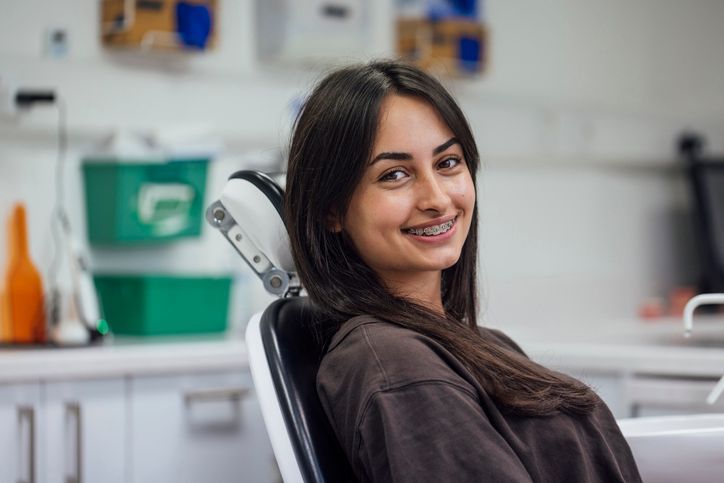
Travel can be more complicated for patients with braces or Invisalign. A little planning can help prevent small issues from becoming frustrating while away from home.
For patients with braces, common travel concerns include broken brackets, loose wires, or forgotten supplies. Packing orthodontic wax, a small mirror, floss threaders, and a travel toothbrush can help you manage minor discomfort until you can contact the office. If a wire or bracket is irritating, orthodontic wax may provide temporary relief.
Patients using Invisalign clear aligners should plan for safe storage and regular cleaning. Aligners should be placed in their case when they are not being worn. Wrapping them in a napkin or placing them loose in a bag can make them easier to lose or damage.
Maintaining wear time is also important. Vacations can make schedules less predictable, but aligners need to be worn as directed to keep treatment on track. Remove them when eating or drinking anything other than water, then brush or rinse them before putting them back in.
For more travel tips, review our guide to On-the-Go Essentials for Braces and Aligners.
Don't Forget Your Oral Hygiene Routine
A simple travel plan can make oral hygiene easier. Before leaving, pack travel-sized dental supplies for each family member. This may include a toothbrush, toothpaste, floss, mouth rinse (if recommended), orthodontic wax, aligner cases, retainers, and any appliance-cleaning supplies.
It can also help to keep floss or floss picks in a purse, backpack, or car bag. When dental supplies are easy to reach, you are more likely to use them during long days away from your hotel or rental home.
Try to brush after meals when possible. If brushing is not realistic during the day, rinse with water and brush thoroughly before bed. Nighttime brushing is especially important because plaque and food particles can sit on the teeth while you sleep.
A simple summer dental checklist may include:
- Toothbrush and toothpaste
- Floss or floss picks
- Retainer or aligner case
- Orthodontic wax, if needed
- Water bottle
- Any dentist-recommended oral care products
Keeping these items together in a small travel bag can help everyone stay prepared.
Summer Activities That Can Affect Your Teeth
Summer activities can affect oral health in ways people may not expect. Swimming, sports, and outdoor recreation all come with small considerations for teeth and gums.
For children and teens who play sports, a mouthguard may be recommended for certain activities. Sports and recreational games can lead to bumps or falls, and protecting the teeth is an important part of staying safe.
Dehydration is another common concern during hot weather. When the body is dehydrated, saliva production may decrease. Saliva washes away food particles and neutralizes acids in the mouth. Without enough saliva, the mouth can feel dry, and teeth may be more vulnerable to plaque buildup.
Swimming pools may also affect some patients, especially those who spend a lot of time in the water. Pool water that is not correctly balanced can sometimes irritate the mouth or contribute to changes in the teeth over time. For most casual swimmers, good hydration and regular brushing are simple ways to support oral health.
Why a Preventive Dental Visit Before Vacation Matters
Scheduling a preventive dental visit before summer travel can help identify small concerns before they become more uncomfortable. A routine exam allows the dental team to check for cavities, gum irritation, tooth sensitivity, or other issues that may be harder to address while away from home.
For orthodontic patients, a visit before vacation can also help confirm that braces, aligners, retainers, or other appliances fit and function properly. If something needs adjustment, it is better to address it before leaving town when possible.
Preventive care can also provide peace of mind. Families can travel knowing they have taken steps to reduce the chance of a dental issue interrupting their plans.
If you are already thinking about seasonal preventive care, our article on Spring Cleaning for Your Oral Health offers helpful reminders for refreshing your dental routine.
Keep Your Smile Healthy All Summer Long
Travel does not have to derail your oral health. Small oral health habits can make a meaningful difference, especially when routines are less predictable.
Drink water often, pack the right dental supplies, limit sugary snacks, and brush and floss as consistently as possible. If you or your child has braces or Invisalign, take extra care to bring the supplies needed to protect your appliances and keep treatment on track.
Prevention is easier than dealing with dental problems during vacation. A checkup before travel can help you address concerns early and start the season with a healthier smile.
Whether you are looking for a family dentist or preventive dental care in McMurray, Severns Dentistry & Orthodontics is here to help. Our experienced team provides family dental care for patients throughout McMurray and the South Hills.
Whether you're planning a weekend getaway or a family vacation, a preventive dental checkup can help ensure your smile is ready for the journey. The team at Severns Dentistry & Orthodontics is here to help families throughout McMurray and the South Hills enjoy a healthy, confident smile all summer long. Contact us today to schedule your visit.

Author:
Natalie Severns, DMD
Upon graduating from the University of Pittsburgh School of Dental Medicine, Dr. Severns specialized in Orthodontics and Dentofacial Orthopedics at the University of Pittsburgh School of Dental Medicine. She then did an externship in London, England, at the prestigious Guy’s Hospital. At this hospital, she learned top therapies in Dentofacial Orthopedics to provide her patients with the best possible facial esthetics.
Blog