Adult Invisalign vs. Traditional Braces: Lifestyle Comparison

Choosing orthodontic treatment as an adult involves more than deciding how you want your smile to look. Work schedules, meals, travel, social events, oral hygiene, and your willingness to maintain a treatment routine can all influence which option feels right for you.
For adults comparing Invisalign vs. braces, both can be effective orthodontic treatment options. The better fit depends on your orthodontic needs, lifestyle, and personal preferences.
At Severns Dentistry & Orthodontics, we help adults in McMurray and throughout the South Hills understand their options and choose an approach that fits both their smile goals and everyday lives.
Invisalign or Braces: Which Fits Your Daily Routine?
There is not one orthodontic treatment that is automatically better for every adult.
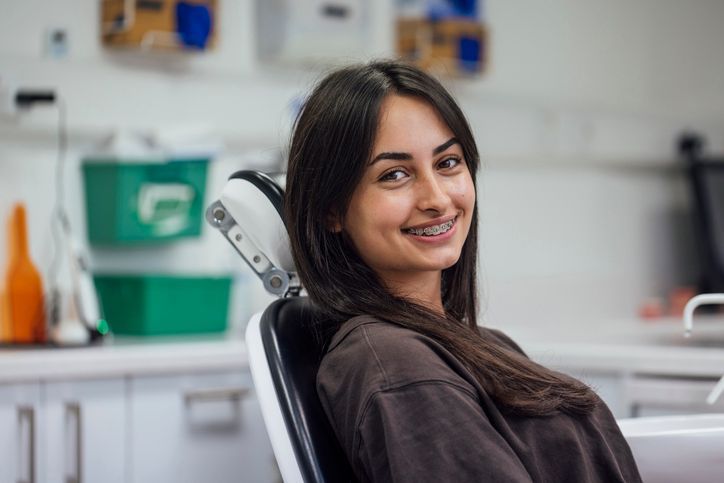
Traditional braces remain attached to your teeth throughout treatment. You do not have to remember to put them back in after meals or keep track of aligners, but braces do require adjustments to eating and oral hygiene habits.
Invisalign clear aligners are removable, which gives adults more flexibility when eating, brushing, and flossing. However, that flexibility comes with responsibility. Aligners need to be worn as directed for treatment to progress as planned.
For many adults, the decision comes down to a simple question: Which treatment can address my orthodontic needs while fitting realistically into my daily routine?
Appearance and Professional Life
Appearance is often an important consideration for adults seeking orthodontic treatment.
Traditional braces are visible when you smile and speak. Some adults do not mind their appearance and prefer the simplicity of having an orthodontic appliance that stays in place throughout the day.
Invisalign aligners are clear and designed to be less noticeable. This can appeal to adults who regularly meet with clients, give presentations, attend professional events, or simply prefer a more discreet orthodontic option.
Clear aligners are not completely invisible, but their subtle appearance can make them easier to incorporate into many professional and social settings.
Eating and Drinking
One of the biggest lifestyle differences between adult braces and Invisalign involves meals.
With traditional braces, certain hard, sticky, or chewy foods may need to be avoided because they can damage brackets or wires. Patients also need to pay additional attention to foods that can become trapped around their braces.
Invisalign aligners are removed for meals, allowing you to continue eating most of the foods you normally enjoy. You should remove your aligners before eating and follow your orthodontist's instructions regarding beverages and cleaning before putting them back in.
For adults who frequently eat at restaurants, attend business lunches, or enjoy trying different foods, this flexibility may be an important consideration.
Brushing, Flossing, and Daily Care
Good oral hygiene matters during any orthodontic treatment.
Braces create additional areas around brackets and wires where food particles and plaque can collect. Brushing and flossing require a little more time and attention to keep teeth and gums clean throughout treatment.
With Invisalign, you can remove the aligners to brush and floss your teeth. This allows you to maintain a routine that is more similar to the one you followed before orthodontic treatment.
The aligners themselves also need regular cleaning. Putting aligners back over teeth that have not been cleaned can trap food particles and bacteria against the teeth.
Neither option eliminates the need for consistent oral hygiene. The routines are simply different.
Responsibility and Treatment Compliance
This is one of the most important differences to consider when comparing Invisalign vs. braces for adults.
Traditional braces are fixed in place. Once they are attached, they continue working without you needing to remember to wear them each day. You still need to follow care instructions and attend scheduled orthodontic visits, but you cannot accidentally leave your braces on the bathroom counter.
Invisalign requires more personal responsibility.
Because clear aligners are removable, patients need to wear them according to their prescribed schedule. They also need to keep track of their aligners, remove them appropriately for meals, clean them, and remember to put them back in.
Adults who value flexibility and are comfortable maintaining a consistent routine may appreciate Invisalign. Those who would rather not think about daily wear time may prefer the fixed nature of traditional braces.
Travel, Work, and Social Events
Adult life does not stop during orthodontic treatment.
Business trips, vacations, weddings, dinners, conferences, and other events can all become part of your treatment experience.
Adults traveling with braces may want to keep orthodontic wax and basic oral hygiene supplies available in case they experience irritation or need to clean around their appliances while away from home.
Invisalign patients need to remember their aligner case, cleaning supplies, and any additional aligners their orthodontist recommends bringing during longer trips. Because aligners are removable, it is especially important to develop the habit of placing them in their case rather than wrapping them in a napkin during meals.
For social occasions, clear aligners can offer additional flexibility, but patients still need to maintain their recommended wear schedule.
When comparing the two options, consider what your typical month actually looks like, not just an average day.
Which Option Can Treat Your Orthodontic Needs?
Lifestyle matters, but it is not the only consideration.
The type and complexity of your orthodontic needs also help determine whether Invisalign or traditional braces may be appropriate.
Depending on the individual case, orthodontic treatment may address concerns involving crowded teeth, spacing, tooth position, and bite alignment. Some patients may be candidates for either treatment, while others may benefit more from a particular approach.
That is why an orthodontic evaluation is an important first step.
Rather than choosing a treatment based entirely on appearance or convenience, your orthodontist can evaluate your teeth and bite and discuss which options are appropriate for your individual needs.
If you are still comparing the fundamentals of the two treatments, our guide to whether Invisalign is better than braces provides additional information to consider.
Why Adults Choose Invisalign
For adults who are good candidates, Invisalign offers several lifestyle features that can make orthodontic treatment appealing.
Clear aligners are discreet, removable for meals, and allow patients to brush and floss without navigating brackets and wires. For professionals and socially active adults, those characteristics can make treatment easier to integrate into an established routine.
Many adults also appreciate being able to remove their aligners briefly when appropriate, although following the prescribed wear schedule remains an essential part of treatment.
If you are considering clear aligners, learning more about the benefits of Invisalign can help you understand why many teens and adults consider this treatment option.
Traditional braces have their own advantages. Because they are fixed in place, they do not depend on remembering to wear an appliance each day, and they can address a wide range of orthodontic concerns.
The goal is not to identify a universal winner. It is to determine which option makes the most sense for you.
Is Invisalign or Braces Better for Adults?
Neither treatment is inherently better for every adult. Invisalign may appeal to patients who prioritize discretion, removable appliances, and fewer food restrictions. Traditional braces may appeal to patients who prefer a fixed treatment option or whose orthodontic needs are better suited to braces.
Your orthodontist can recommend appropriate options after evaluating your teeth, bite, and treatment goals.
Can Adults Wear Invisalign at Work?
Yes. Many adults choose Invisalign specifically because clear aligners can be relatively discreet in professional environments.
You will still need to remove the aligners when eating and follow your recommended wear and cleaning routine throughout the workday.
Which Is Easier to Clean: Invisalign or Braces?
Invisalign allows you to remove your aligners and brush and floss your teeth normally. The aligners also require regular cleaning.
Braces stay attached to the teeth, so patients need to carefully clean around brackets and wires. Both options require consistent oral hygiene to help protect teeth and gums during treatment.
How Do I Choose Between Invisalign and Braces?
Start by considering both your orthodontic needs and your lifestyle.
Think about how comfortable you are with a removable appliance, whether you can consistently follow an aligner wear schedule, your eating habits, your oral hygiene routine, your work and travel schedule, and how important treatment visibility is to you.
Then, discuss those priorities during an orthodontic consultation. A professional evaluation can determine which treatments are appropriate before you make your final decision.
Choosing Between Invisalign and Braces in McMurray
Orthodontic treatment is a personal decision, especially for adults balancing treatment with careers, families, travel, and busy schedules. Understanding how Invisalign and traditional braces differ in everyday life can make that decision easier.
At Severns Dentistry & Orthodontics, patients can receive dental and orthodontic care in one family-friendly practice backed by more than 35 years of experience. Our team takes the time to understand your goals, evaluate your orthodontic needs, and discuss treatment options that make sense for your lifestyle.
If you are considering adult braces or Invisalign in McMurray, schedule an orthodontic consultation with Severns Dentistry & Orthodontics to learn which option may be right for your smile.

Author:
Natalie Severns, DMD
Upon graduating from the University of Pittsburgh School of Dental Medicine, Dr. Severns specialized in Orthodontics and Dentofacial Orthopedics at the University of Pittsburgh School of Dental Medicine. She then did an externship in London, England, at the prestigious Guy’s Hospital. At this hospital, she learned top therapies in Dentofacial Orthopedics to provide her patients with the best possible facial esthetics.
Blog