Back-to-School Smile Checklist for Parents

Back-to-school season changes more than the family calendar. Earlier mornings, packed lunches, homework, sports, and after-school activities can all affect routines that were easier to manage during summer. Dental habits are often part of that adjustment.
A practical back-to-school dental checklist should cover five areas: whether your child is due for a dental visit, consistent brushing and flossing, school-day food and drink choices, preventive options such as sealants, and protection during sports or other activities.
Taking care of those details before the school routine becomes crowded can make children’s dental health easier to manage throughout the year.
Schedule a Dental Checkup Before School Gets Busy
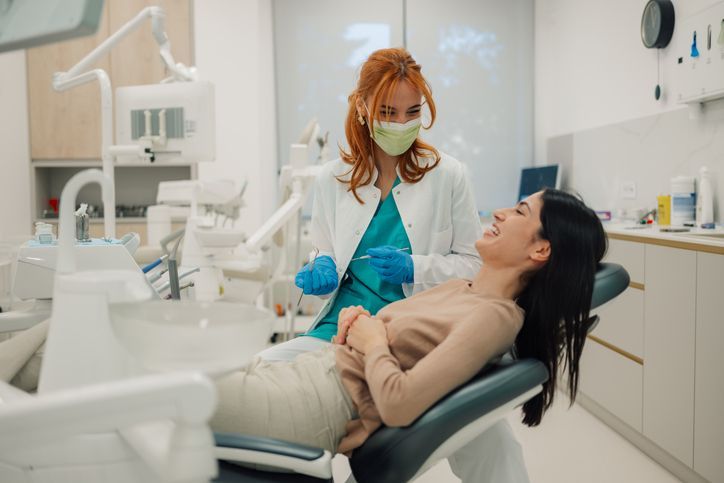
Should children see a dentist before school starts? A back-to-school visit isn't required for every child. However, if your child is due for routine dental care, scheduling before school activities pick up can be convenient.
A preventive visit allows the dentist to examine your child’s teeth and gums and identify concerns that may need attention. It also gives parents time to ask questions about brushing, flossing, diet, sealants, sports protection, or other parts of their child's routine. The American Dental Association also recommends scheduling back-to-school appointments because late summer can be a busy time to book.
If your child has not visited the practice before, our guide to a first-time family dentist appointment can help you know what to expect.
For families looking for a family dentist in McMurray, the start of the school year can also be a useful reminder to check when the child's next preventive visit is due.
Get Brushing and Flossing Back on Schedule
Summer schedules can make mornings later and bedtimes less predictable. When school begins, use the new daily routine as a cue to make oral care consistent again.
The ADA recommends brushing twice a day for two minutes using fluoride toothpaste. Children may need adult help or supervision depending on their age and ability to brush thoroughly. Daily cleaning between teeth is also recommended, and younger children may need help flossing until they have the coordination to manage it effectively themselves.
Try connecting brushing to activities that already happen every school day. Morning brushing can follow breakfast or getting dressed. Evening brushing and flossing can become part of the normal bedtime routine.
Consistency matters more than a complicated routine. A toothbrush, fluoride toothpaste, floss, and a predictable schedule cover the basics for most families.
Pack Smile-Friendly School Lunches
Parents cannot control every snack or treat their children encounter at school, but packed lunches can support healthier everyday habits.
Plain water is a practical beverage choice for school. The American Academy of Pediatric Dentistry encourages water as a preferred source of hydration for children and adolescents and recommends limiting frequent exposure to sugar-sweetened beverages and foods with added sugars.
For lunches and snacks, focus on balanced foods your child will actually eat. Fruits, vegetables, dairy products when appropriate, whole grains, and protein foods can all be part of a varied lunch. The goal is not to eliminate every sweet food. It is to avoid making sugary drinks and snacks an all-day habit.
If your child regularly buys lunch at school, talk about choosing water and keeping sweet drinks and snacks as occasional choices rather than something consumed repeatedly throughout the day.
Ask Whether Your Child Could Benefit From Dental Sealants
Dental sealants are thin protective coatings placed on the chewing surfaces of teeth, particularly molars. They cover pits and grooves where food and plaque can collect and can help prevent decay on those surfaces.
ADA and AAPD guidance supports using pit-and-fissure sealants on molars in children and adolescents when clinically appropriate. Whether sealants make sense for a particular child should be determined with their dentist based on the teeth involved and the child's individual needs.
Parents who want more information can read about the role of sealants in protecting your child’s teeth before discussing the option at an appointment.
Sealants do not replace brushing, flossing, or routine dental care. They are one preventive tool a dentist may recommend as part of a child's overall dental plan.
Don't Forget Sports and After-School Activities
Back-to-school season also means practices, games, clubs, and recreational activities.
For activities with a meaningful risk of dental or facial injury, a properly fitted mouthguard can help reduce the risk and severity of dental trauma. Both the ADA and AAPD support mouthguard use for sports and recreational activities where oral injuries may occur.
If your child already owns a mouthguard, check its fit and condition before the season begins. Children and teenagers may need replacements as their mouths grow or their teeth change. The ADA also recommends keeping mouthguards clean and storing them in a sturdy, ventilated container between uses.
Keeping the mouthguard and its case with the rest of your child's sports equipment can also make it less likely to be forgotten on practice or game days.
Your Back-to-School Smile Checklist
Before the school calendar fills up, take a few minutes to check these items:
- Check whether your child is due for a routine dental appointment.
- Reestablish morning and bedtime brushing with fluoride toothpaste.
- Help younger children brush and floss when needed.
- Make plain water an everyday school beverage choice.
- Limit frequent sugary drinks and snacks.
- Ask the dentist whether sealants may be appropriate for your child.
- Check that sports mouthguards still fit properly and are in good condition.
- Keep the mouthguard in a clean, ventilated case with sports equipment.
Start the School Year With a Healthy Smile
How can parents protect children's teeth at school? The most practical approach is to build habits that continue even when parents are not there to supervise. Regular brushing and flossing at home, thoughtful lunch and drink choices, appropriate preventive dental care, and mouthguards for higher-risk activities all contribute to that routine.
If your child is due for a preventive dental visit, consider scheduling before school, homework, sports, and other activities make the family calendar harder to coordinate.
Families in McMurray and the South Hills can contact Severns Dentistry & Orthodontics to ask about appointment availability and take the next step in their child's preventive dental care.

Author:
Natalie Severns, DMD
Upon graduating from the University of Pittsburgh School of Dental Medicine, Dr. Severns specialized in Orthodontics and Dentofacial Orthopedics at the University of Pittsburgh School of Dental Medicine. She then did an externship in London, England, at the prestigious Guy’s Hospital. At this hospital, she learned top therapies in Dentofacial Orthopedics to provide her patients with the best possible facial esthetics.
Blog